The Trauma and Orthopaedic department
The Trauma and Orthopaedic (T and O) department provides treatment for conditions that affect your:
- bones
- muscles
- joints
- connective tissues
We treat:
- injuries to:
- bones
- joints
- muscles
- tendons and ligaments, including:
- fractures
- dislocations
- ligament injuries
- conditions that affect how bones, joints and muscles develop, such as:
- developmental dysplasia of the hip
- scoliosis
- conditions caused by wear and tear of the bones and joints, such as:
- osteoarthritis
- degenerative disc disease
- some tumours affecting bones and soft tissues
It is a free service.
Our team
We care for people who are staying in hospital, as well as those attending clinic appointments.
Our multi-disciplinary team includes:
- Consultant and Middle Grade surgeons
- foundation doctors
- nurses including an Arthroplasty Specialist nurse
- Advanced Clinical Practitioners (ACPs)
- plaster technicians
- physiotherapists
- occupational therapists
- administrative staff
We also work closely with the Radiology Department which provides scans and X-rays, and the Clinical Investigations department which provides diagnostic tests such as heart, lung and nerve function tests.
What we do
We run outpatient clinics and care for patients staying in hospital. We provide treatment for injuries that need emergency care, such as broken bones, and carry out planned orthopaedic surgery, including joint replacements.
We also:
- make diagnoses
- discuss management plans
- order necessary investigations
- schedule surgeries
- refer you for therapy such as physiotherapy, podiatry, and occupational therapy
- give peripheral joint injections including corticosteroid injections
- direct you to other services when needed
How to access our service
You can't book an appointment directly.
Referrals are accepted from:
- GPs
- healthcare professionals
- the Emergency Department (ED)
If you attend the ED with an injury and need further treatment, they'll arrange an appointment for you if needed.
Information for referrers
The latest guidelines and resources are available at:
Support and information for patients dealing with arthritis is available at Arthritis UK.
Information on joint replacement surgery patient outcomes is available at the National Joint Registry.
Our location
The T and O unit is located in the Outpatient Department in the Gwyneth Huelin Wing of the General Hospital. We'll tell you where you need to go in your appointment letter.
Hospital transport and parking
Parking is available on the ground floor of Patriotic Street car park. Standard parking charges apply.
If you're medically unable to travel by other means and have no alternative transport, you may be eligible for our non-emergency patient transport service.
Find out more at Getting to the hospitals: transport and parking.
Our clinics
We run multiple clinics including:
- Orthopaedic clinics
- Fracture clinics
- Soft Tissue clinics
Orthopaedic clinic
This clinic deals with a wide range of musculoskeletal issues including:
- osteoarthritis
- joint problems
- other conditions affecting bones, muscles, ligaments, and tendons
Osteoarthritis
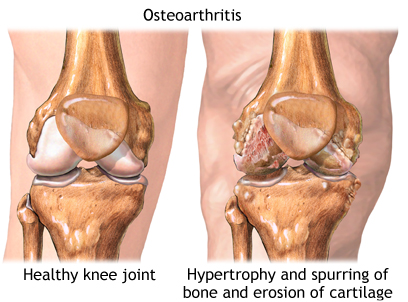
Osteoarthritis is a condition that causes joints to become painful and stiff. It is the most common type of arthritis in the UK.
The main symptoms of osteoarthritis are:
- joint pain and stiffness
- problems moving the joint
- a grating or crackling sound when moving the affected joints
The symptoms can be mild and may come and go, or you may experience more continuous and severe problems which make it difficult to carry out everyday activities.
Almost any joint can be affected by osteoarthritis, but the condition most often causes problems in the:
- knees
- hips
- small joints of the hands
If you experience persistent symptoms of osteoarthritis visit your GP, they can confirm the diagnosis and prescribe treatment.
You may not need a referral to the T and O department for treatment for osteoarthritis. It can often be treated with:
- therapeutic exercise
- weight management
- information and support
You do not need to have an X-ray to diagnose osteoarthritis, but you may need to have one if your GP refers you to the Hospital or if you need surgery.
Your GP will talk to you about your treatment options and, if necessary, refer you for Physiotherapy, or to T and O department if you would like to consider surgery.
For more detailed information and support, we recommend the following resources from Versus Arthritis.
The Osteoarthritis Information Booklet covers:
- causes
-
symptoms
-
treatment options
-
self-management tips
Learn more about osteoarthritis, including symptoms, treatment options and lifestyle advice to help you manage your condition Osteoarthritis: symptoms, causes and treatment Arthritis UK.
Fracture clinic
A break or crack in a bone is known as a fracture. Fractures can happen due to
- an accident
- a fall
- direct impact
They can also be the result of conditions that weaken the bones, such as osteoporosis.
The Fracture clinic is for patients with fractures that need treatment and follow-up care from an Orthopaedic specialist or an Advanced Clinical Practitioner (ACP).
The clinic runs every Tuesday, Wednesday and Friday morning, depending on which Consultant you see.
Soft Tissue clinic
This clinic, previously known as the sports injury’s clinic, is for patients with acute lower limb injuries to the soft tissue including:
You can be referred into this clinic directly by your GP or via the Emergency Department or Physiotherapy team.
This clinic is not for patients with a:
- fracture
- flare up of a long-term condition
- spinal injury
- simple soft tissue injury such as an ankle sprain
The clinic runs every other Monday afternoon. It is run by an Associate Specialist Orthopaedic Surgeon and an ACP.
What to expect at your clinic appointment
We are a busy department and understand that waiting can be difficult. We'll try to see you as quickly as possible and will let you know the estimated waiting time. We recommend allowing up to 3 hours for your appointment.
You may notice that some patients who arrive after you are seen before you. This is because we run several clinics at the same time, and some patients need to be seen sooner based on their clinical needs.
If you need an X-ray or other diagnostic tests, your appointment may take longer. If you need a plaster cast changed or replaced, our plaster technicians can do this in the plaster room next to the clinic.
If surgery is recommended, you may be admitted to hospital immediately or asked to return on a planned date. Before surgery, we may need to ask you some questions and arrange tests, such as blood tests or other investigations, to help us plan your care. We will explain everything and answer any questions you may have.
What to bring
You should bring:
- your appointment letter
- details of any of any investigations or treatments not carried out at the Hospital
- a list of regular medications you take
- any medications you need during your time at the clinic, and remember to take them
- a book or something to keep you occupied while you wait
Wear clothing that allows us to examine the affected area. For example, wear shorts if you have a leg injury, or a short-sleeved top if you have an arm or shoulder injury.
Interpreting service
If English is not your first language, you can request an interpreter to be present at your appointment. Contact us in advance so we can book this service for you.
You may bring a relative or friend to help you, but family or friends should not be used instead of an interpreter.
Preparing for surgery
Most orthopaedic surgery is carried out for pain relief and to help improve your quality of life.
If you are on our waiting list for surgery you should already have information about:
- the time date and location of your surgery
- what to expect during and after surgery
- how long you should expect to wait for your surgery date
If you are unsure call the Hospital switchboard on +44 (0) 1534 442000 and ask to speak to your consultant’s secretary.
Maintaining a healthy weight
A Body Mass Index (BMI) of 40 or below is generally preferred before surgery because it can help reduce the risk of complications. A healthy BMI is between 18.5 to 25.
We understand that achieving or maintaining a healthy BMI can be challenging. Every patient is assessed individually, and your consultant will discuss whether surgery is suitable for you.
Looking after your health before surgery
In the weeks and months before your surgery, try to stay as healthy and active as possible. This can help improve your recovery and make your pre-assessment and preparation for surgery easier.
If you have concerns speak to your GP.
Useful information about healthy diet and exercise:
Anaesthesia
During surgery, you will receive an anaesthetic. This prevents you from feeling pain during your operation.
Depending on the type of surgery, you may:
- be asleep under a general anaesthetic
- have the area being operated on made numb using a regional or local anaesthetic
For more information about anaesthesia, read:
Or visit the Royal College of Anaesthetists website:
Information for patients from the Royal College of Anaesthetists.
Staying in hospital
Trauma and Orthopaedic inpatients usually stay on Beauport ward, in the General Hospital this may change depending on bed availability.
Find out more about staying on
Beauport Ward.
Day surgery
Day surgery takes place in the Day Surgery Unit or Main Theatres. We will send you a letter stating where to go when you get the date for your surgery.
Find out more about what to expect at the
Day surgery unit (DSU).
Total and partial knee replacement surgery
If you're having a total knee replacement or a partial knee replacement, this video provides practical information about your hospital stay, as well as information about your procedure, Physiotherapy, Occupational Therapy (OT) and your follow up care.
Knee replacement video on YouTube.
Total hip replacement surgery
If you're having a total hip replacement, this video provides practical information about your hospital stay, as well as information about your procedure, Physiotherapy, Occupational Therapy (OT) and your follow up care.
Hip replacement on YouTube.
Contact us
To contact us about an appointment, call the Outpatients appointments desk on +44 (0) 1534 442464 Monday to Friday, 9am to 5pm.
For specific questions or concerns about your treatment, discuss these at your clinic appointment or call the Hospital switchboard on +44 (0) 1534 442000 ask to speak to your consultant’s secretary.
Patient Advice and Liaison Service (PALS)
PALS can give you confidential advice, support and information on health-related services or care. Find out more at
Patient and visitor advice and support.
To give feedback on health services and care you can:
Send feedback
 gov.je